繁体中文
繁体中文 English
 简体中文
简体中文 Deutsch
How Does a Sanitary Napkin Machine Work? A Complete Guide to Manufacturing Process, Raw Materials, and Technology
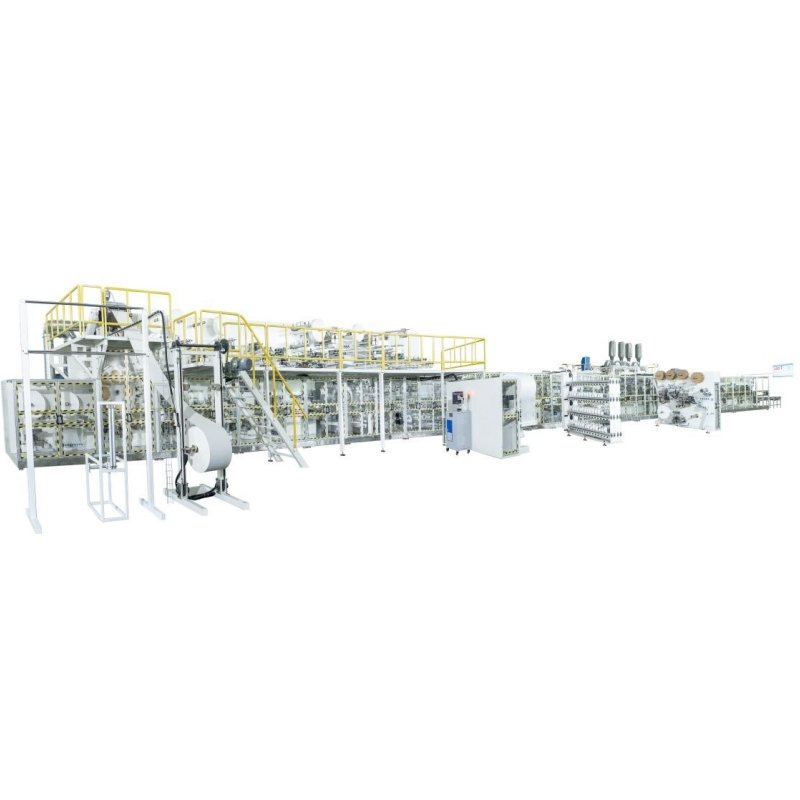
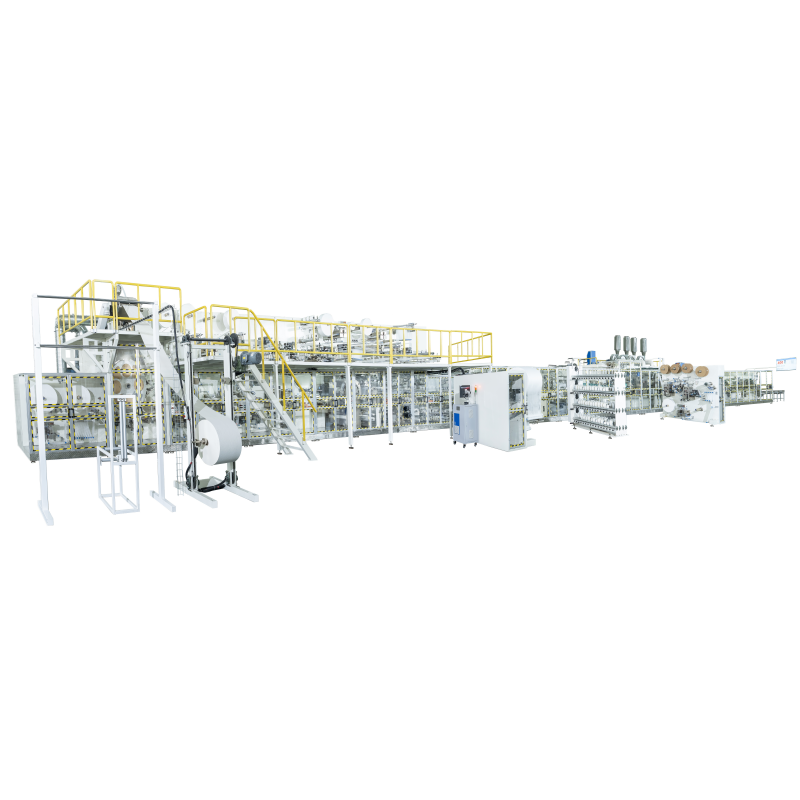
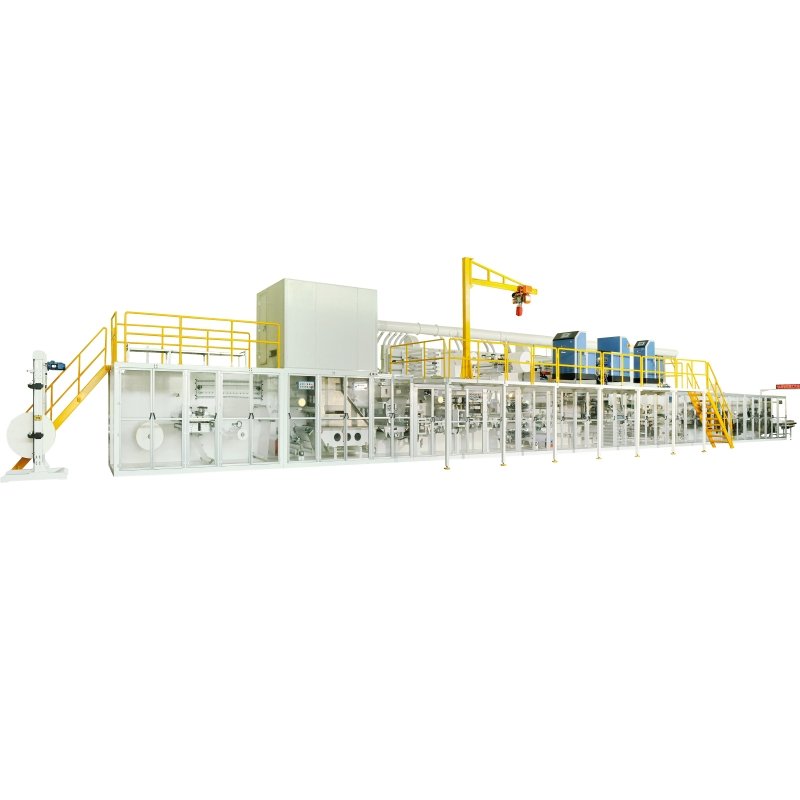
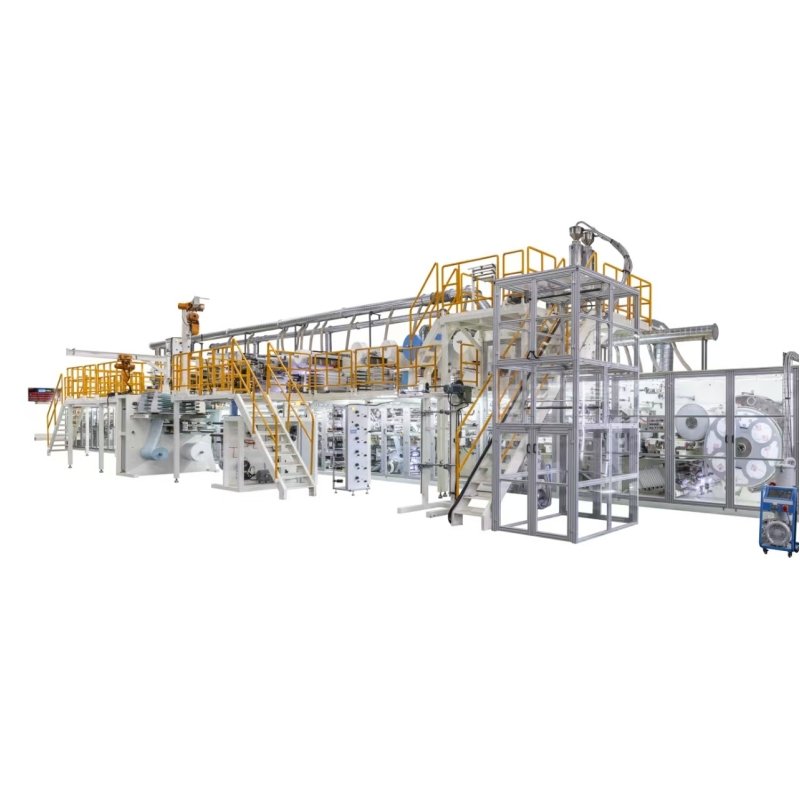
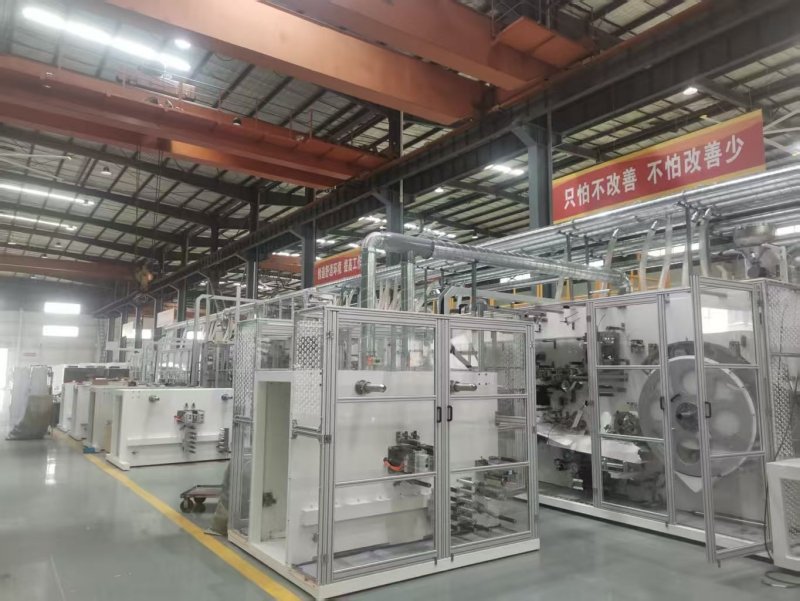
Sanitary Napkin Machine technology plays a critical role in modern hygiene product manufacturing. With the growing global demand for feminine hygiene products, manufacturers are increasingly investing in fully automatic, high‑speed sanitary napkin production lines to ensure efficiency, stability, and consistent quality.
In this comprehensive guide, we will explain in detail:
How a sanitary napkin machine works
The complete manufacturing process
Raw materials required
Machine safety features
Ultra‑thin vs regular pad machine differences
PLC vs Servo control systems
This article is written by EZIO‑MACHINERY, a professional hygiene product machinery manufacturer with over 15 years of experience in diaper and sanitary napkin production line design and customization for global B2B customers.
How does a sanitary napkin machine work?
A sanitary napkin machine works by automatically converting raw materials such as fluff pulp, SAP (super absorbent polymer), nonwoven fabric, PE film, and release paper into finished sanitary pads through a synchronized, high‑speed production process.
Step‑by‑Step Working Principle
Raw Material Feeding: Unwinding systems feed nonwoven fabric, PE film, tissue paper, and release paper into the machine.
Core Formation: Fluff pulp is crushed and mixed with SAP to form the absorbent core.
Core Shaping & Compression: The absorbent core is shaped and compressed to the required thickness.
Layer Lamination: Top sheet, absorbent core, and back sheet are laminated together.
Sealing & Embossing: Ultrasonic or thermal sealing bonds the layers.
Wing Forming (if applicable): For winged pads, side wings are formed and cut.
Cutting & Shaping: Rotary cutters shape the pads.
Packaging Preparation: Pads are folded and transferred for packaging.
Modern sanitary napkin machines operate at high speeds while maintaining precision alignment, stable tension control, and synchronized servo movement.
What is the manufacturing process of sanitary napkins?
The manufacturing process of sanitary napkins involves multiple integrated systems operating continuously on a production line.
Raw Material Unwinding | Feeding of nonwoven, film, tissue | Auto tension control system |
Core Formation | Fluff pulp + SAP mixing | Hammer mill & forming drum |
Core Compression | Thickness shaping | Press roller system |
Lamination | Top sheet + core + back sheet bonding | Adhesive spray system |
Cutting & Sealing | Pad shaping & edge sealing | Rotary cutter & ultrasonic sealing |
Folding & Output | Finished pad output | Automatic folding unit |
At EZIO‑MACHINERY, our sanitary napkin production lines are designed for automatic, high‑speed, and stable operation. Machines can be customized according to product specifications, factory layout, and regional standards.
What raw materials are required to manufacture sanitary napkins?
The primary raw materials include:
Fluff Pulp: Main absorbent material.
Super Absorbent Polymer (SAP): Enhances liquid absorption.
Nonwoven Fabric: Top sheet for skin contact.
PE Film: Back sheet to prevent leakage.
Tissue Paper: Wraps the absorbent core.
Release Paper: Covers adhesive strip.
Hot Melt Adhesive: Bonding layers together.
Material quality directly affects pad softness, absorption performance, and product stability. High‑precision machines ensure accurate SAP dosing and pulp distribution for consistent absorbency.
What safety features does a sanitary napkin machine have?
Modern sanitary napkin machines are equipped with multiple safety systems:
Emergency stop buttons
Safety guards & protective covers
Overload protection
Automatic fault detection
Servo synchronization alarms
Material break detection sensors
At EZIO‑MACHINERY, safety is integrated into every design. Our machines comply with international standards and prioritize operator protection and production stability.
What is the difference between ultra‑thin and regular pad machines?
Core Type | SAP‑dominant composite core | Fluff pulp dominant |
Thickness | Thin & lightweight | Thicker |
Technology Requirement | Higher precision control | Standard forming system |
Market Position | Premium segment | Mass market |
Ultra‑thin sanitary napkin machines require more advanced servo control and precise SAP distribution systems to maintain absorbency while minimizing thickness.
What control system is used (PLC or servo)?
Sanitary napkin machines generally use either PLC control or full‑servo control systems.
PLC Control System
Cost‑effective
Suitable for medium speed production
Reliable basic automation
Full‑Servo Control System
High‑speed precision control
Independent motor synchronization
Flexible size adjustment
Reduced mechanical wear
EZIO‑MACHINERY specializes in full‑servo customizable solutions powered by advanced R&D and extensive manufacturing expertise, ensuring stable, high‑speed operation for global customers.
About EZIO‑MACHINERY – Professional Hygiene Machinery Manufacturer
EZIO‑MACHINERY is a professional sanitary napkin machine and diaper production line manufacturer located in Quanzhou, Fujian, China. With over 15 years of industry experience, we provide:
Sanitary napkin production line
Baby diaper production line
Adult diaper production line
Underpad production line
As a source factory, we ensure stable quality control, flexible customization, and competitive pricing without intermediaries. Our machines are exported to many countries and designed for long‑term sustainable production.
FAQ – Sanitary Napkin Machine
1. What is the production capacity of a sanitary napkin machine?
Production capacity varies depending on model and configuration. High‑speed machines can produce hundreds of pads per minute.
2. Can one machine produce multiple pad sizes?
Yes, with servo control and modular design, machines can be adjusted for different lengths and thicknesses.
3. How long does installation take?
Installation and commissioning time depends on factory readiness and configuration.
4. Is customization available?
Yes, EZIO‑MACHINERY provides customized solutions according to product design and factory layout.
5. What certifications do your machines have?
Our machines comply with international standards and follow strict manufacturing quality control processes.
Ready to Start Your Sanitary Napkin Manufacturing Project?
Partner with EZIO‑MACHINERY for reliable, high‑quality, and fully customizable sanitary napkin machines.
Get a Free Consultation & Quote Today